Traveling has become easier than ever, but it has also become far more unpredictable. Flight cancellations, medical emergencies, lost luggage, natural disasters, and unexpected travel disruptions are affecting millions of travelers every year.
As a result, travel insurance is becoming one of the fastest-growing segments of the global insurance industry. Travelers across countries like the United States, Canada, United Kingdom, and Australia are now purchasing coverage before vacations, business trips, and international travel.
Many people once believed travel insurance was unnecessary. Today, that mindset is changing rapidly.
In 2026, travelers are more aware of the financial risks associated with modern travel. A single emergency abroad can cost thousands — or even tens of thousands — of dollars.
The good news is that modern travel insurance plans now offer more flexible and affordable protection than ever before.
In this article, we will explore why travel insurance demand is increasing, what travel insurance actually covers, the biggest mistakes travelers make, and how consumers can choose the best coverage for their trips.
Why Travel Insurance Is Becoming More Important
The travel industry has changed dramatically over the past few years.
Airline delays, severe weather events, geopolitical uncertainty, and rising medical costs have increased travel risks worldwide.
Many travelers have experienced:
- Canceled flights
- Lost luggage
- Delayed departures
- Medical emergencies abroad
- Hotel cancellations
- Passport issues
- Weather disruptions
Without travel insurance, these situations can become extremely expensive.
International healthcare is one of the biggest concerns for travelers. Medical treatment in foreign countries can cost enormous amounts, especially in places with private healthcare systems.
Emergency medical evacuations are even more expensive and can sometimes exceed tens of thousands of dollars.
Travelers are now recognizing that insurance is not only about protecting luggage — it is about protecting finances during unexpected situations.
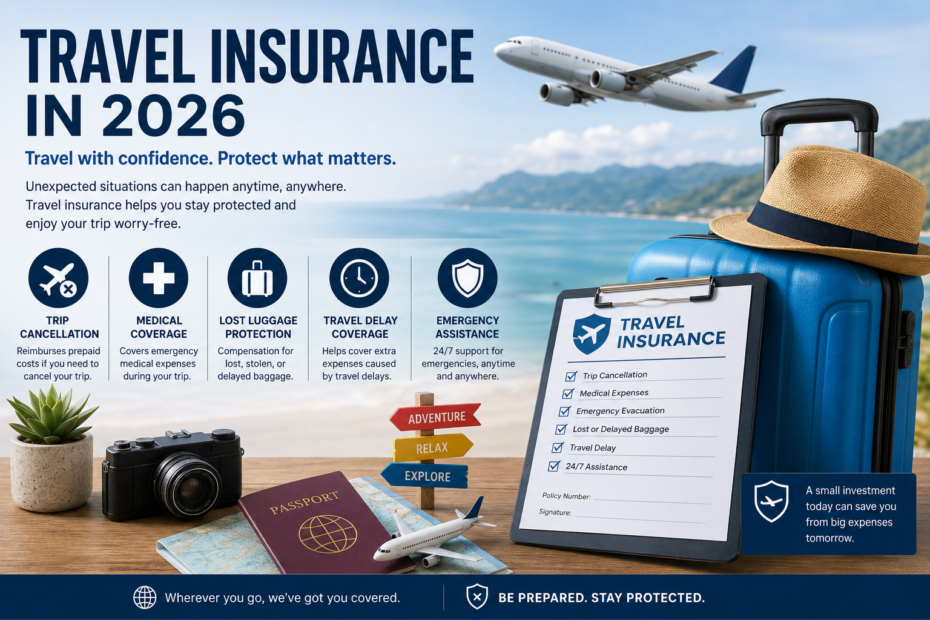
What Travel Insurance Usually Covers
Many consumers purchase travel insurance without fully understanding what is included.
Coverage varies between policies, but most travel insurance plans include several core protections.
Trip Cancellation Coverage
If travelers must cancel a trip due to illness, emergencies, or covered events, insurance may reimburse prepaid expenses.
This often includes:
- Flights
- Hotels
- Tours
- Vacation packages
Medical Emergency Coverage
Medical treatment abroad can be extremely expensive.
Travel insurance may help cover:
- Hospital stays
- Emergency treatment
- Ambulance services
- Doctor visits
- Prescription medications
Emergency Medical Evacuation
If travelers require transportation to another hospital or country for treatment, evacuation coverage can provide major financial protection.
Lost or Delayed Luggage
Travel insurance may reimburse travelers for lost, stolen, or delayed baggage.
This can help replace essential personal items during disruptions.
Travel Delay Protection
Coverage may help pay for:
- Hotel stays
- Meals
- Transportation
- Rebooking costs
when flights or connections are delayed unexpectedly.
Understanding policy details is extremely important because not all plans offer the same protections.
The Biggest Travel Insurance Mistakes Travelers Make
Many travelers unknowingly make expensive insurance mistakes.
Waiting Too Long to Buy Coverage
Some protections are only available if insurance is purchased shortly after booking the trip.
Waiting too long may reduce available benefits.
Choosing the Cheapest Plan Only
Low-cost plans sometimes provide very limited protection.
Consumers should carefully review:
- Medical limits
- Cancellation rules
- Exclusions
- Deductibles
- Coverage caps
The cheapest plan is not always the best financial choice.
Ignoring Pre-Existing Condition Rules
Some policies exclude medical conditions that existed before purchasing coverage.
Travelers with health concerns should review policy terms carefully.
Assuming Credit Card Protection Is Enough
Many credit cards offer limited travel insurance benefits.
However, these protections are often restricted and may not provide sufficient medical coverage abroad.
Not Reading Exclusions
Travel insurance policies may exclude:
- Extreme sports
- Alcohol-related incidents
- Certain destinations
- High-risk activities
Understanding exclusions helps avoid denied claims later.
How Technology Is Changing Travel Insurance
Technology is transforming the travel insurance industry rapidly.
Consumers can now compare policies online within minutes using digital insurance marketplaces.
Artificial intelligence is also improving:
- Claims processing
- Fraud detection
- Risk analysis
- Customer service
Mobile apps allow travelers to:
- Access policies instantly
- Submit claims digitally
- Receive travel alerts
- Contact emergency support worldwide
Some insurance providers now offer real-time travel disruption notifications through smartphone apps.
Digital healthcare and telemedicine services are also becoming integrated into travel insurance plans.
Travelers can now speak with doctors remotely while abroad, reducing the need for expensive clinic visits.
Technology is making travel insurance more accessible and more user-friendly than ever before.
The Rise of “Cancel for Any Reason” Coverage
One of the fastest-growing travel insurance trends is “Cancel for Any Reason” coverage, often called CFAR insurance.
Traditional travel insurance only covers cancellations caused by approved events.
CFAR coverage provides greater flexibility by allowing travelers to cancel trips for personal reasons not normally covered.
This type of protection became increasingly popular after global travel disruptions exposed how unpredictable travel can become.
Although CFAR policies are usually more expensive, many travelers view the additional flexibility as worthwhile.
This trend reflects how consumer behavior is evolving in the modern travel industry.
Travelers today value flexibility, control, and financial protection more than ever before.
How Travelers Can Choose the Best Insurance Plan
Choosing the right travel insurance policy depends on several factors.
Destination
Healthcare costs vary dramatically between countries.
International travelers should prioritize strong medical coverage.
Trip Cost
Expensive vacations may require higher cancellation protection.
Traveler Age
Older travelers often face higher medical risks and may need more comprehensive plans.
Activities Planned
Adventure travelers may require specialized coverage for sports and outdoor activities.
Existing Medical Conditions
Travelers with health concerns should verify pre-existing condition coverage carefully.
Coverage Limits
Consumers should compare maximum payouts for:
- Medical emergencies
- Evacuations
- Delays
- Lost baggage
Reading reviews and comparing multiple providers can help travelers find the best value.
Final Thoughts
Travel insurance is no longer an optional purchase for many travelers in 2026.
Modern travel comes with increasing uncertainty, and even minor disruptions can create major financial stress.
Medical emergencies, delays, lost luggage, and unexpected cancellations can turn dream vacations into expensive problems very quickly.
The good news is that travel insurance has become more advanced, flexible, and accessible than ever before.
Travelers who understand coverage options, compare policies carefully, and avoid common mistakes can protect themselves financially while traveling with greater confidence.
In today’s world, smart travelers are not only planning trips — they are planning for the unexpected as well.
FAQ
Is travel insurance really necessary?
For many travelers, travel insurance provides valuable financial protection against unexpected disruptions and emergencies.
Does travel insurance cover medical emergencies abroad?
Most comprehensive travel insurance plans include emergency medical coverage.
What is “Cancel for Any Reason” insurance?
CFAR coverage allows travelers to cancel trips for reasons not normally covered by standard policies.
Does travel insurance cover lost luggage?
Many policies include reimbursement for lost, stolen, or delayed baggage.
Can credit cards replace travel insurance?
Some credit cards offer limited travel protections, but coverage is often incomplete.
When should travelers buy travel insurance?
Experts usually recommend purchasing coverage shortly after booking a trip.